

The mindset behind the Seven Serpents 2026 victory
Adam Jordan arrived at the start of the Seven Serpents 2026 with no unfinished business. The previous year’s withdrawal was exactly where it belonged, in the past. What he carried instead was an uncommon stillness for a race that tends to consume everything it touches. A calm built across months of training, pedal stroke by pedal stroke, until it hardened into certainty.
“I arrived at this year’s Seven Serpents feeling completely determined and excited… I felt relaxed, knowing that the route passes through some of the most beautiful parts of the region.”
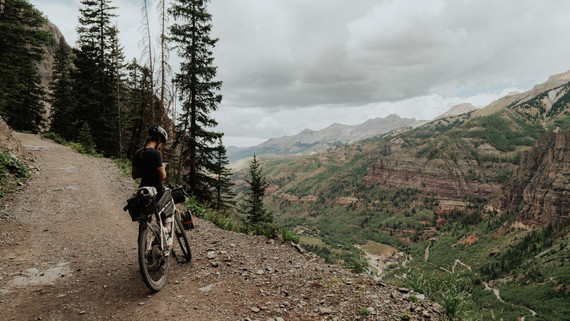
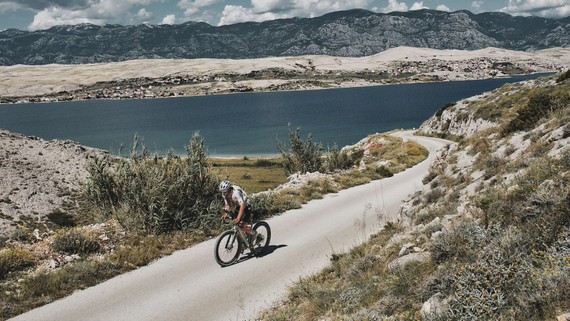
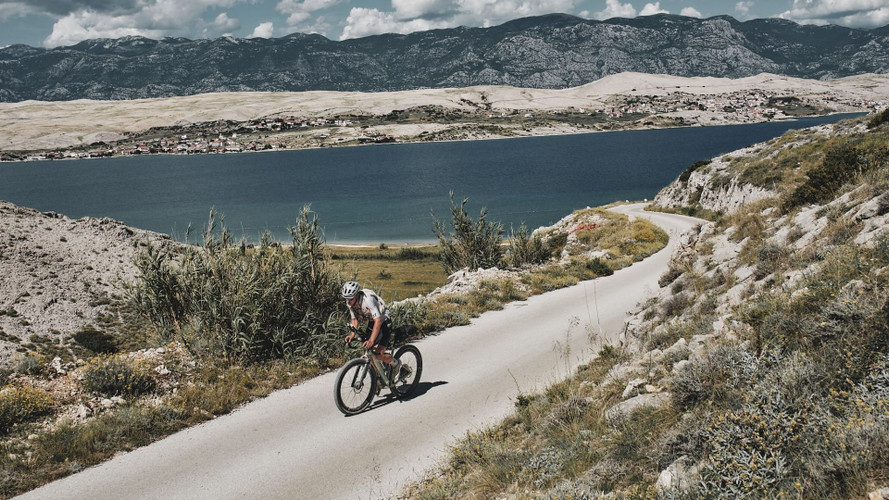
The new course wasn’t a territory to conquer, it was an environment to move through with respect. Jordan approached it that way: no ballast, no oversized expectations, open to being surprised. The Croatian limestone fields, the climbs that open toward the interior, the gravel sections that seem to stretch forever, all of it arrived as a natural part of the journey. The 2025 DNF had no room here. The 2026 race had its own identity, and Jordan accepted it without reaching for comparisons.
In the months leading up to the race, Jordan had also found a new balance through his work with Reverb Cycling, the team partnered with Selle San Marco. It’s the same balance that made him the face of the Shortfit Allroad campaign, a way of interpreting gravel that mirrors his own approach: essential, technical, and free of unnecessary noise.
Sleep strategy in ultra cycling: what Adam Jordan did differently
Sleep management is one of the decisive variables in ultra distance racing. Athletes tackling events over 1,000 km must find a precise balance between mental clarity and time in the saddle, and that balance shifts constantly as fatigue accumulates.
Jordan had planned to skip the first night entirely. The route had other ideas. He stopped for roughly two hours outside a mountain refuge, sheltered from the wind. “I stopped for about two hours outside, in a wind-protected section of a mountain hut.” The second night brought four hours of sleep in a last-minute apartment booking.
This is a well-established ultra cycling sleep approach: sleep less, but sleep well. Short, high-quality rest windows help avoid hallucinations, cognitive drops, and the compounding efficiency losses that turn manageable fatigue into a race-ending spiral. For bikepacking athletes preparing for events like the Seven Serpents, understanding when to stop, and committing to it, can be more decisive than any fitness metric.
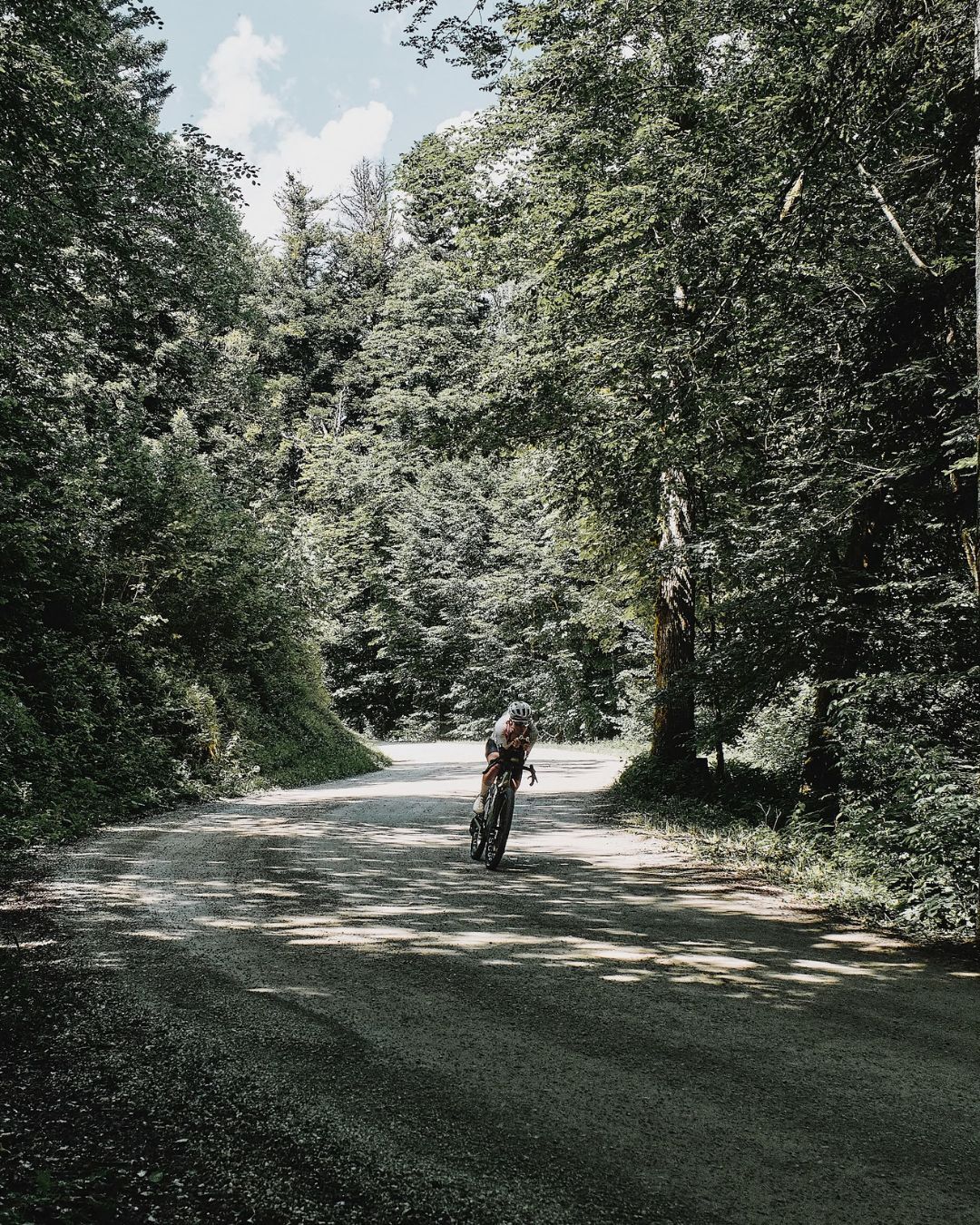
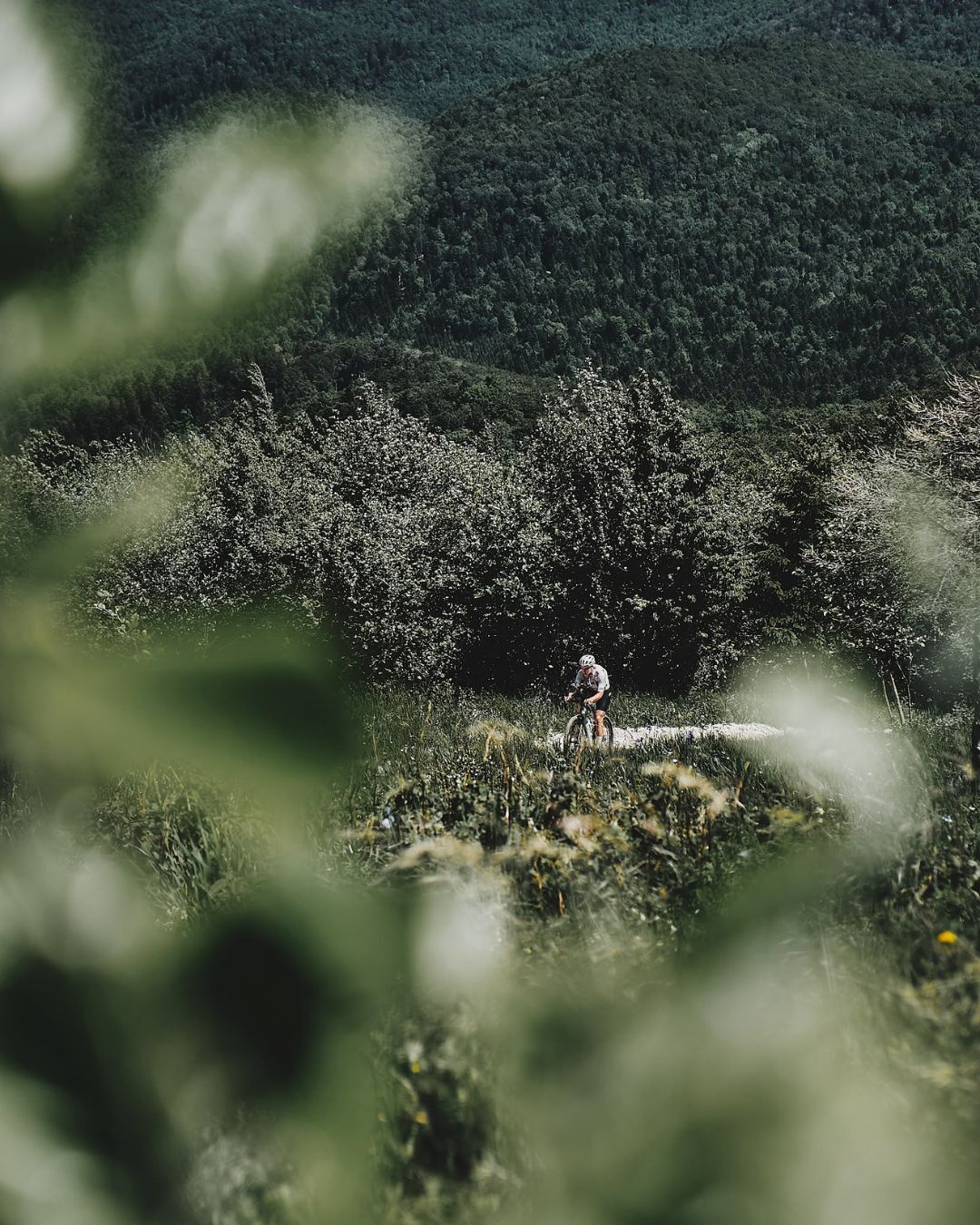
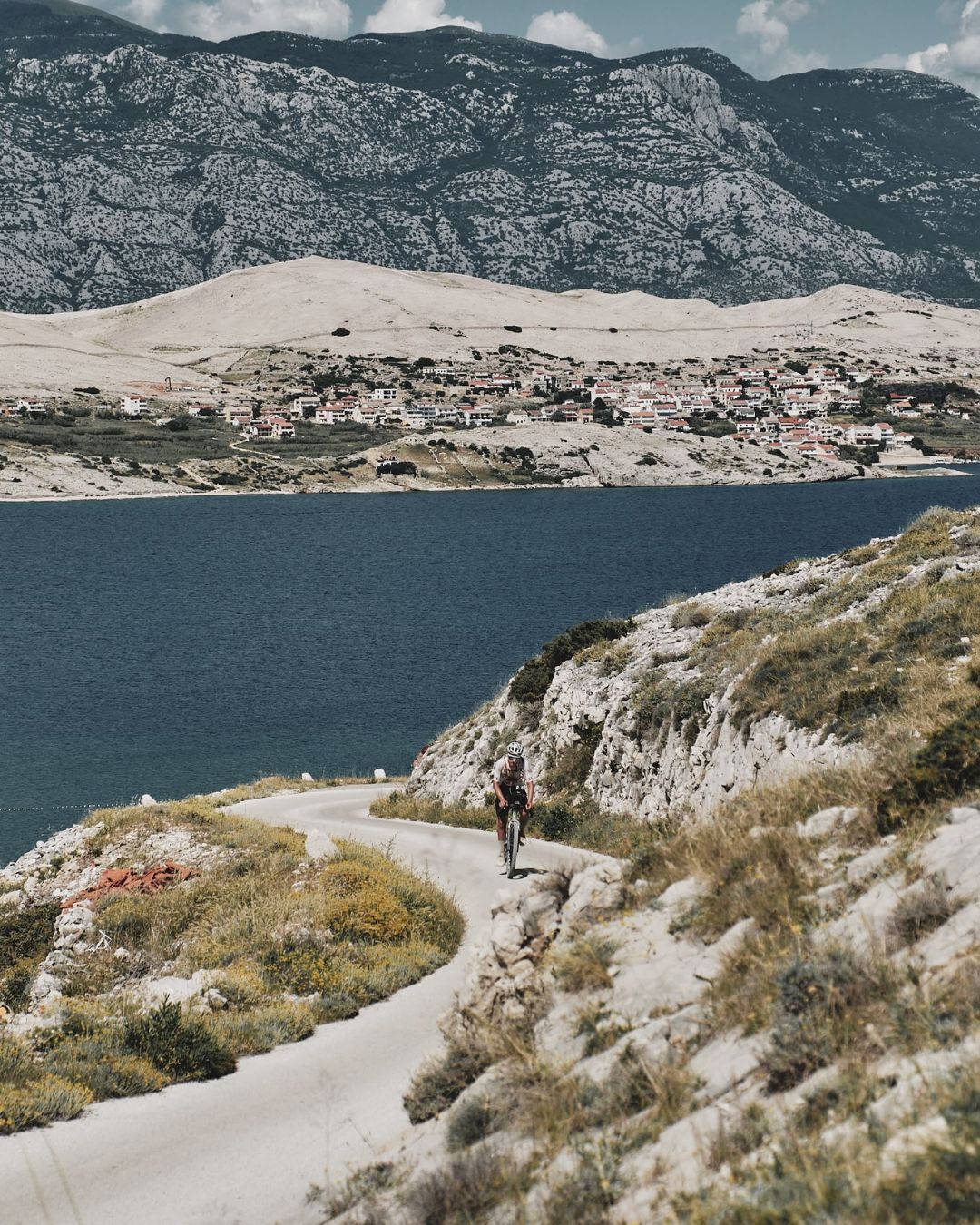
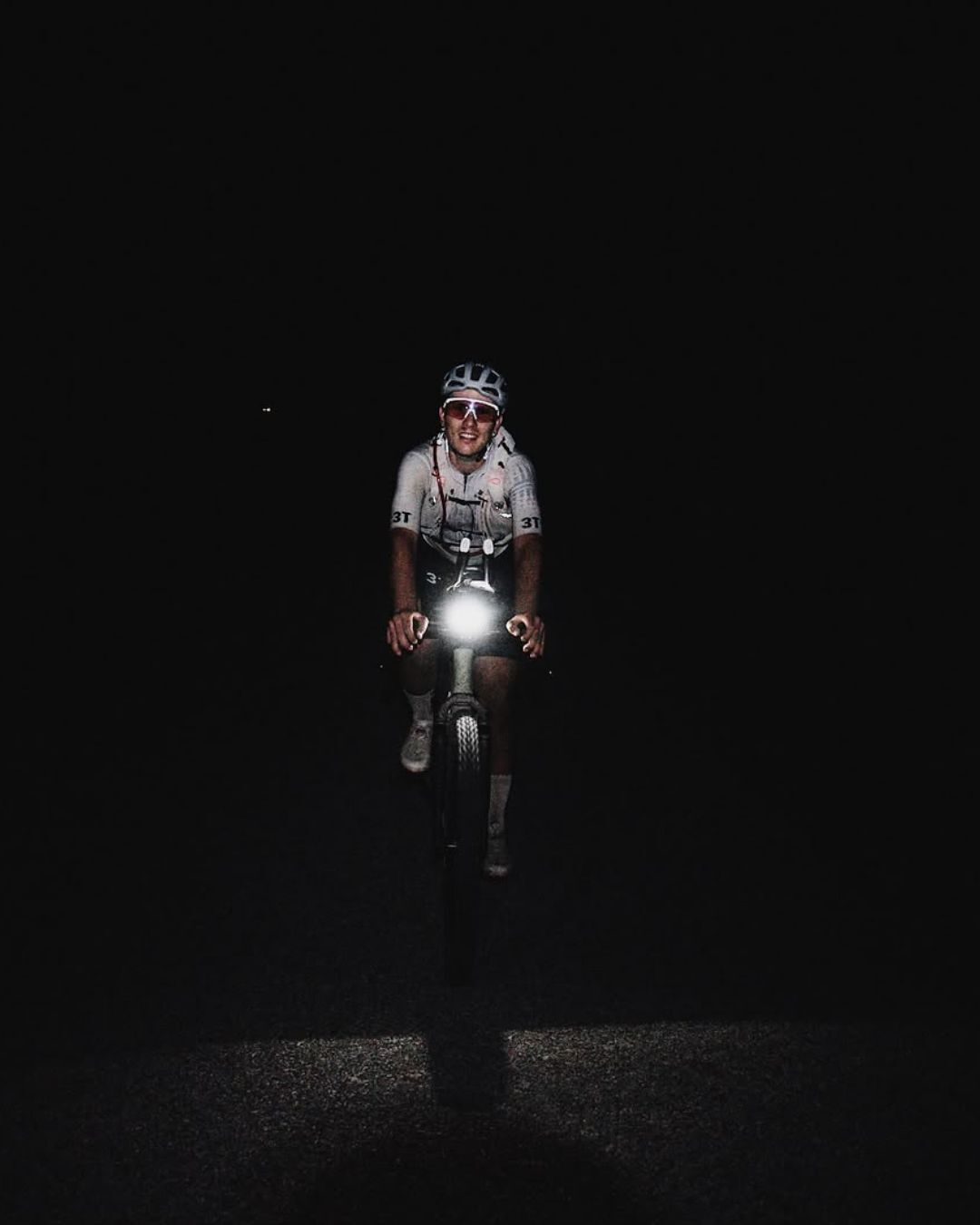
The final push to Trieste: from the last ferry to Piazza Unità
The race ignited after the final ferry crossing. Jordan began pushing toward the Učka, a climb that punishes hesitation. He closed the gap on the final gravel section. From that point, the progression became continuous, no theatrical acceleration, no dramatic gesture, just a rhythm building steadily, as if the body had located a natural frequency and locked onto it.
Consistent pacing over maximum effort: this is what separates ultra cycling finishers from winners. The final hours of a 1,000+ km race are won in the hours before them.
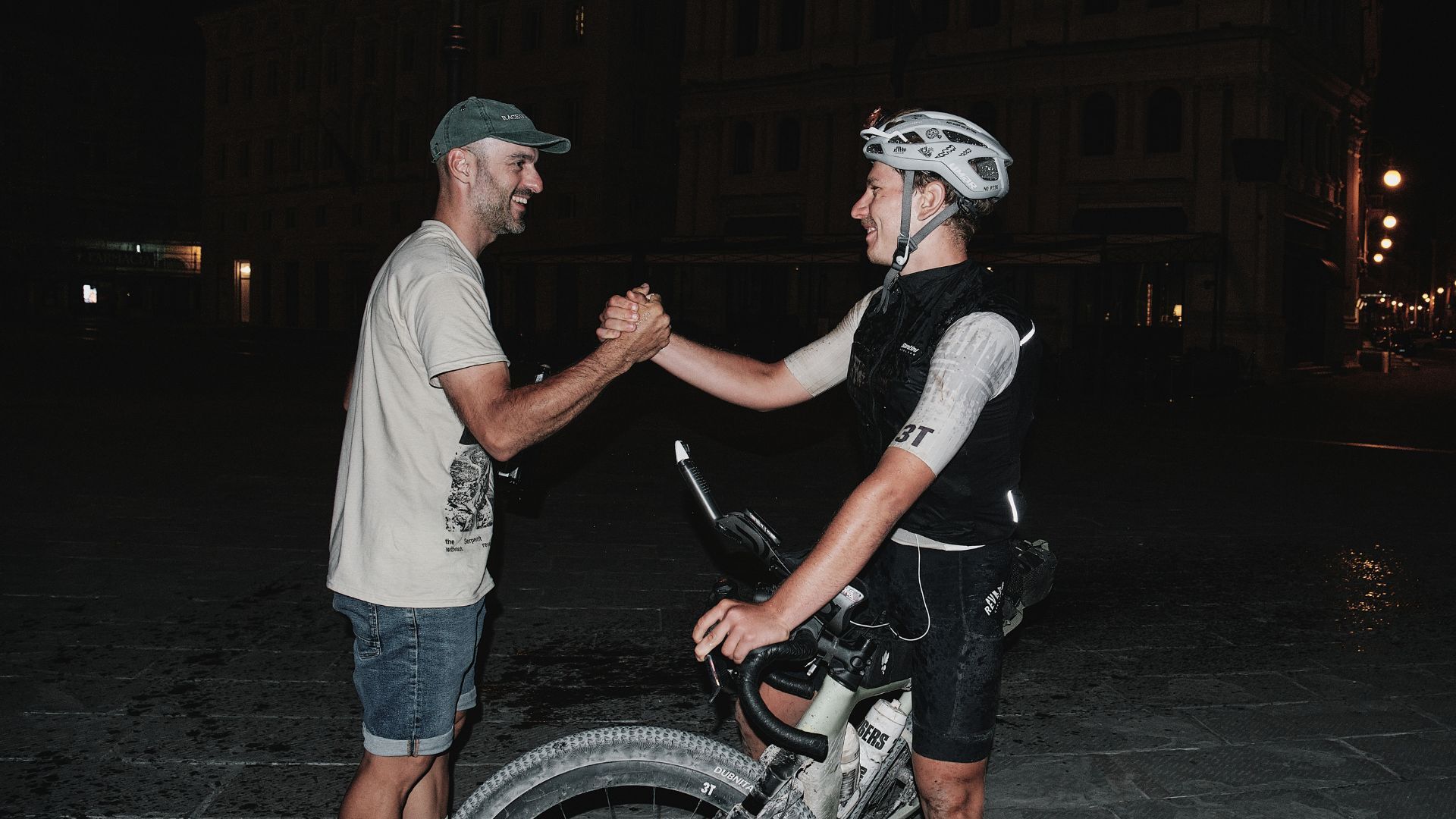
From the Slavnik summit, the descent into Trieste demands attention. The night opens ahead like a dark corridor, and the city reveals itself only when the finish is close enough to feel real. Jordan put on his favourite song.
“I allowed myself to enjoy that feeling of accomplishment as I rode into Piazza Unità.”
Why a 3D printed saddle matters in ultra cycling
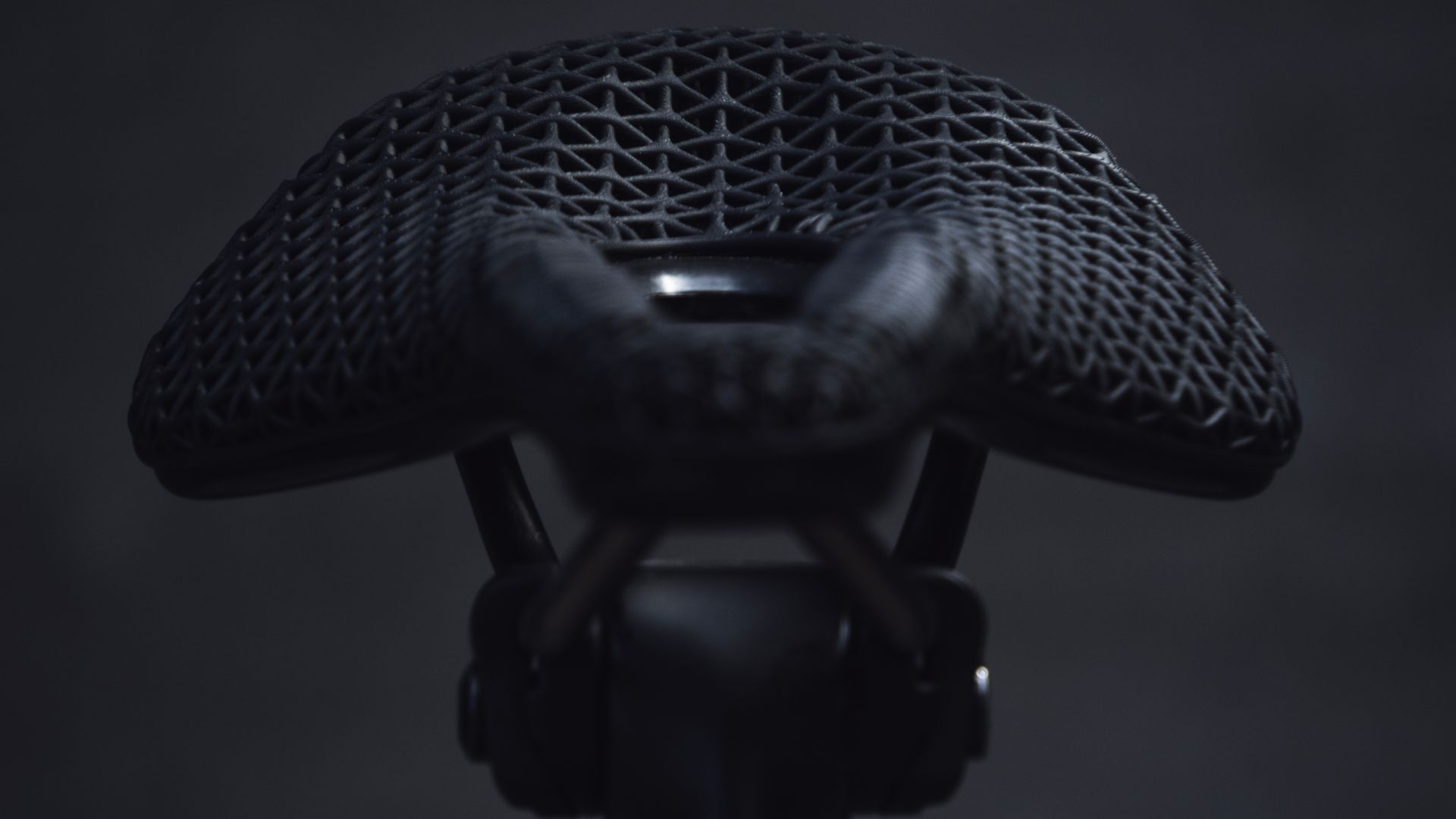
The Shortfit 2.0 3D Carbon was Jordan’s silent companion for over 60 hours of racing. In ultra cycling, saddle choice is one of the most underestimated performance factors, and one of the most consequential. A wrong saddle can end a race more efficiently than a power deficit.
What made the difference across that distance:
3D-printed padding with differentiated support zones, firmer where structure matters, softer where pressure accumulates
A raised rear section for stability on climbs and technical terrain
Reduced pressure in sensitive areas, limiting the soft-tissue damage that compounds over multi-day efforts
Full shape retention across extended hours, no deformation, no shifting contact points
“The 3D structure provides support in the areas where it’s needed while reducing pressure in the most sensitive zones.” In a thousand-kilometre race, a saddle that doesn’t demand your attention liberates mental bandwidth. And mental bandwidth, at these distances, is as finite and precious as leg power.
How to choose a gravel saddle for long-distance races
If you’re asking which is the best saddle for ultra cycling, the answer begins with fit and ends with durability under sustained load. A saddle that works for a century ride may fail completely across 60 hours of mixed terrain. Here are the three factors that matter most when choosing a gravel saddle for bikepacking and ultra events:
. Padding technology
traditional foam compresses and loses its properties over time. 3D-printed lattice structures like those in the Shortfit 2.0 maintain their geometry, adapting to pressure dynamically rather than flattening under load.
. Pressure distribution
the goal isn’t cushioning, it’s redistributing pressure away from soft tissue. Look for saddles with a central channel or pressure-relief zones specifically engineered for long hours.
. Real-world testing
no saddle spec replaces long-duration testing. Start testing months before your event, at race-equivalent durations.
Adam’s Seven Serpents 2026 victory was built on choices, adaptations, rhythm, sea crossings, mountain sleep stops, and one illuminated square in the middle of the night. A route that closed with the naturalness of someone who found their pace, and followed it all the way to the end.
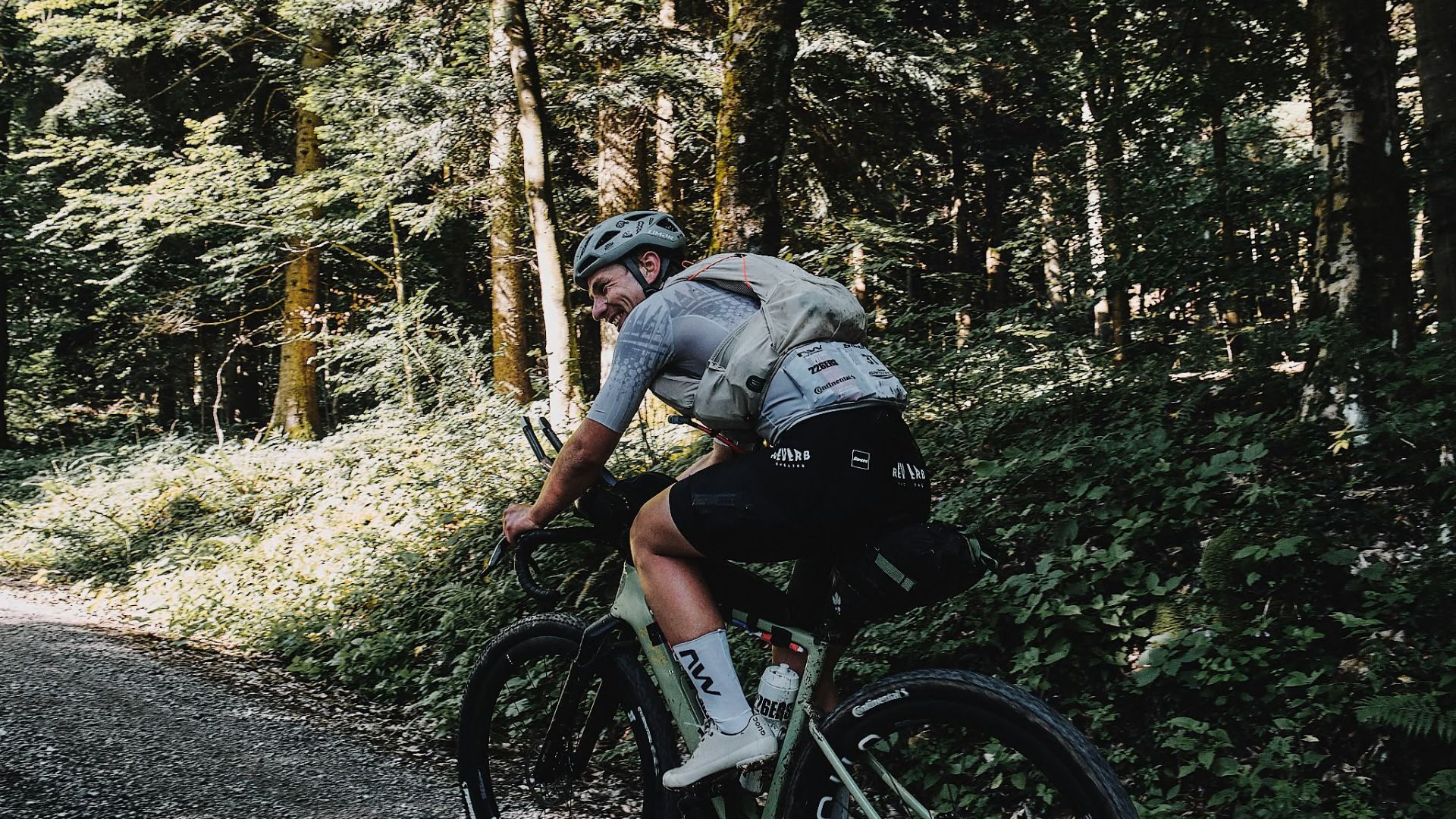
Photo credits: @gravelmerk and @reverb.cycling

Shortfit 2.0 3D Carbon FX

Shortfit 2.0 3D Racing
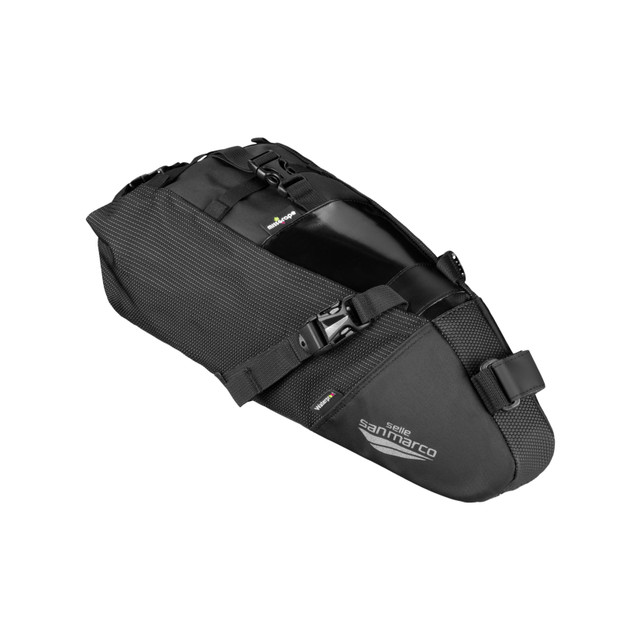
Saddle Bag 7 L
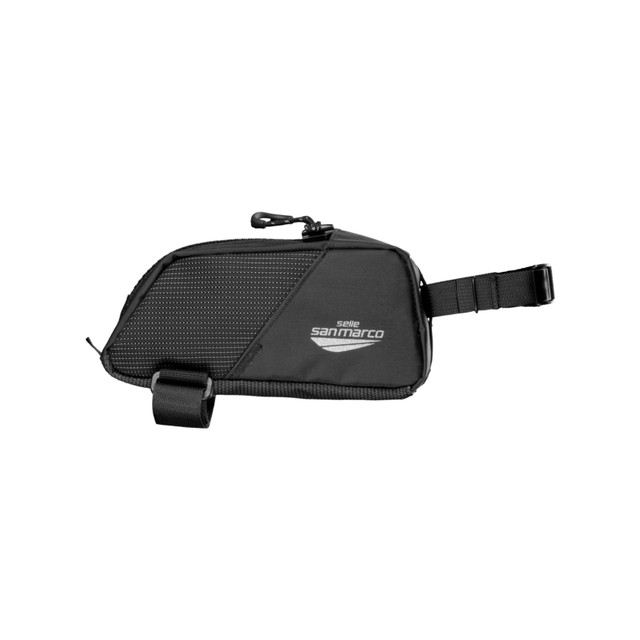
Top Tube Bag
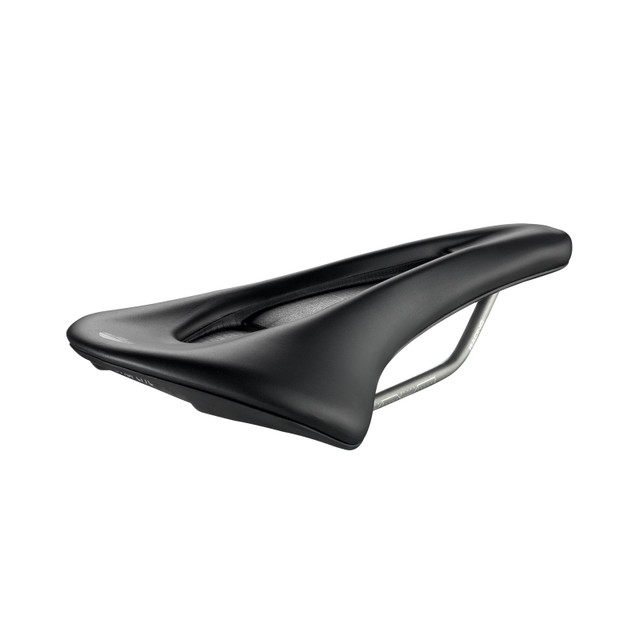
Shortfit Allroad Racing